
How to Collaborate on Content Without Endless DMs

Tom
Image by freepik, via Freepik.

Collaborating on content is key to growing your brand and expanding your reach, but the process can quickly become overwhelming, especially when it’s scattered across multiple DMs, emails, and platforms. The constant back-and-forth not only wastes time but also leads to confusion, delays, and missed opportunities.

If you’re struggling with endless DMs or lost messages, it’s time to streamline your content creation process. In this post, we’ll show you how to collaborate on content efficiently, without getting stuck in communication chaos.


Why content collaboration can get difficult when working with teams and clients

When it comes to content creation, collaboration is extremely important. However, if not managed properly, it can quickly turn into a headache. When you’re collaborating with your team or working for clients, you may face some common challenges, such as:

  • Too many channels: constantly switching between DMs, emails, or chatting apps can slow things down.
  • Lack of clarity: without a clear content workflow, feedback and edits can get lost or miscommunicated.
  • Missed deadlines: without centralized tracking, it’s easy to forget key dates for content and approvals.
  • Disorganized assets: searching through various apps and folders for assets wastes valuable time during your creative work.

The real issue is that all this communication overload drains your time and energy, leaving little room for actual content creation and creativity.


How to collaborate efficiently on content

Now that you understand why collaboration on content can be difficult, here are some tips on how to cut out the noise and streamline your collaboration with a smart workflow:

Centralize communication and assets

Instead of relying on multiple messaging platforms or apps, use a single tool to centralize all communication, approvals, and media assets. With the new JubJub feature coming soon, you’ll be able to view feedbacks and approvals, saving time and reducing confusion, instead of waiting for replies via DMs or emails.

Define clear roles and responsibilities

Assign specific roles within your team or with collaborators to ensure everyone knows what they’re responsible for. This will help avoid duplicate efforts and unnecessary back-and-forth. For example, designate one person to manage feedback while another is responsible for final edits.

Set up a content calendar

A content calendar helps you organize your content in advance, so everyone knows what’s due and when. You’ll be able to plan ahead, keep your team aligned, and track progress with ease. If you want to learn more about what a content calendar is and how to create one that actually works, read our article ‘….’.

Track progress and measure results

Stay on top of your content production by tracking the progress of each post in real-time. This way, you can see exactly where each piece of content is in the process, from draft to approval. This visibility helps you stay organized and meet deadlines without missing a step.


Why you need a platform like JubJub for managing content and collaboration
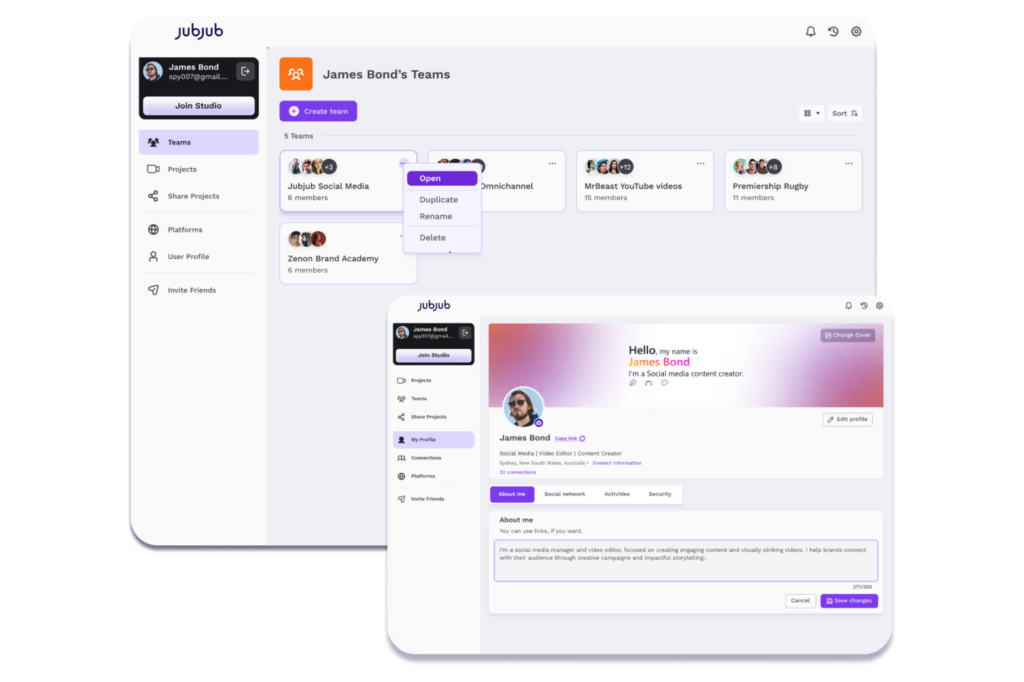
Managing content creation with multiple collaborators or clients doesn’t have to be chaotic. By using an all-in-one hub like JubJub, you can:

  • Centralize all your communications and content assets in one easy-to-use platform.
  • Collaborate on content without needing endless DMs or multiple tools.
  • Easily share content with influencers, clients or teammates with just a few clicks.
  • Assign roles and responsibilities to avoid confusion and ensure smooth workflows.
  • Streamline the feedback and approval process, making it faster and easier to get content live.
  • Use the content calendar view to organize your publishing schedule visually and plan ahead with clarity.
  • Post to all socials directly from one platform, saving time and ensuring consistency across channels.
  • Handle content distribution with ease.

JubJub is designed to make content collaboration smarter, faster, and easier. With all your workflow focused in one place, you can focus on what really matters: creating high-quality content. Try JubJub for free today and streamline your workflow and collaboration.


Frequently Asked Questions (FAQ) about Content Collaboration

What is content collaboration?

Content collaboration is the process of working together with other team members or clients to create and refine content, ensuring smooth workflow, timely delivery, and high-quality output.

How do I collaborate on content with multiple people?

To collaborate on content with multiple people, centralize communication and assign clear roles for each person. Use a tool like JubJub to manage all feedback, assets, and approval stages in one place.

How do content creators collaborate?

Content creators collaborate by using tools that centralize communication, feedback, and asset management, making the process efficient and organized.

What is the primary purpose of content collaboration in content marketing?

The primary purpose of content collaboration in content marketing is to ensure a smooth, organized, and efficient creation process, which leads to better content quality, faster delivery, and alignment with marketing goals.

How do I track content creation progress?

Use a content calendar to plan your content in advance, set deadlines, and track the progress of each piece.

What is the best tool for my content workflow and collaboration?

JubJub is the perfect platform for content workflow and collaboration. It centralizes communications, simplifies asset management, scheduling, publishing, and streamlines the feedback and approval process, so you can focus on creating.

How can I avoid endless back-and-forth when collaborating on content?

By using a single platform for content collaboration and feedback, you can eliminate the need for endless DMs. With tools like JubJub, all feedback is in one place, reducing confusion and saving time.

Creator Breakthrough with Roberto Ricotta: why authenticity matters and how AI is shaping social media content

Tom

In the world of content creation, few people embody the power of storytelling and social media like Roberto Ricotta. A video producer with 16 years of experience, content creator, and social media expert, Roberto has built his career on the ability to craft authentic narratives that resonate with his audience. From telling his personal journey to helping brands connect with their communities, Roberto’s creative process is a masterclass in the art of storytelling.


The power of storytelling for creators and brands

But storytelling is not just for creators, it’s a powerful asset for brands looking to engage their audience. Roberto helps businesses harness the power of storytelling to craft messages that resonate with their target demographic.

Roberto’s journey began long before he became a well-known name in social media. With over 16 years of experience in video production, Roberto discovered the true potential of storytelling early on. For him, social media is not just about posting content; it’s about building genuine connections through the stories you tell.

“Authenticity makes us unique. What I’ve noticed is that when I’m more open about my stories and share the more authentic parts of them, that’s when the results come.”, says Roberto. For creators like Roberto, storytelling is the tool that turns content into a strategic asset.


The importance of social media in building a brand

In today’s digital world, social media platforms are where creators and brands thrive. With millions of people scrolling through their feeds every day, Roberto sees these platforms as an important tool for creators to build their brand. Whether it’s on Instagram, TikTok, or YouTube, Roberto uses social media to showcase his creative work and tell his story.

His focus on authentic, behind-the-scenes content, such as vlogs and personal stories, has earned him a loyal following. By showing his audience what happens beyond the camera, Roberto builds trust and credibility, turning viewers into long-term supporters.


The future of AI on social media and storytelling

Roberto emphasizes that AI isn’t about replacing the creator; rather, it’s about enhancing the creative process. With AI, creators can spend less time on the logistical aspects of content creation and focus more on the artistic side. This combination of creativity and technology allows creators to produce high-quality content without burning out.

As Roberto looks toward the future, he believes that AI will evolve to play an even more significant role in content production, from video editing to post-production, while still maintaining the human touch that makes storytelling so powerful. “AI will continue to assist, but it’s not there yet when it comes to the human emotions and rhythm of storytelling”, Roberto says.

For Roberto, the future is all about expanding his reach and continuing to connect with a broader audience. After moving from Italy to Australia, he’s embracing new opportunities in the Australian market, hoping to collaborate with local brands and creators to create even more impactful content.


Be part of the next Creator Breakthrough episode

Roberto Ricotta’s story is proof of the power of storytelling, social media, and the ever-evolving role of technology in content creation. By staying true to himself and embracing new tools, Roberto has built a successful career as a video producer and content creator, while helping brands grow in the digital world with authenticity and creativity. For creators and brands alike, his journey offers invaluable insights into the future of social media and the endless possibilities that storytelling provides.

Are you a creator or brand with a story to tell? We want to hear from you! Reach out to us on Instagram or send an email to tom.mccarthy@jubjubapp.com to be featured in an upcoming Creator Breakthrough episode. The full episode with Roberto is now live on our YouTube channel! Watch it now to dive deeper into his journey and insights. And don’t forget to subscribe to JubJub’s YouTube channel so you never miss an episode of Creator Breakthrough.

How to Build a Content Calendar that Boosts Consistency and Saves you Time

Tom
Image by freepik via Freepik.

If you’re a content creator, you already know the pressure of staying relevant while juggling ideas, deadlines, and feedback loops. That’s why a content calendar isn’t just useful, it’s essential. It helps you plan what to post and when, but it also goes beyond scheduling. A well-structured calendar gives your content direction, helps you stay consistent, and keeps your team or clients aligned.

In this post, we’ll break down what a content calendar is, why it matters, and how to build one that actually works for your workflow.


What is a content calendar?

A content calendar is a tool that helps you organize and schedule the content you want to publish across social media, blogs, video platforms, and more. But beyond the “what and when” to post, a good calendar includes responsibilities, references, and strategic context to support your broader marketing goals.

Whether you’re a solo creator or part of a larger team, a content calendar helps you brainstorm smarter, plan ahead, and deliver consistently, without the guesswork.


Why creators should use a content calendar

Having a content calendar is one of the most effective ways to build a strong marketing strategy and stay consistent with your brand. Here’s why it’s so important:

  • More consistency: regular publishing builds trust and strengthens brand recognition.
  • More productivity: with priorities and deadlines defined, you avoid last-minute chaos.
  • Better alignment: whether you’re working with a team or clients, a shared calendar ensures everyone is on the same page.
  • Strengthens your digital presence: a consistent flow of high-quality content helps grow your audience and reach your goals.
  • Makes performance tracking easier: with everything organized, measuring results becomes simple.
  • Saves time: you won’t waste hours figuring out what to post next.

How to build a content calendar that works

Ready to get organized? Here are the key steps to build your own content calendar:

  1. Know your audience: understand who you’re speaking to and what matters to them.
  2. Define your goals: are you trying to grow your audience, drive traffic, or promote a product?
  3. Develop a strategy: choose content types and platforms that align with your goals.
  4. Assign responsibilities: clarify who creates, edits, and publishes the content.
  5. Set your schedule: plan content by day, week, or month based on your workload and goals.

You can build a simple content calendar in Excel or Google Sheets, or use ready-made templates. Regardless of format, it should include:

  • Content theme or title;
  • Goal of the post;
  • Format (video, image, etc.);
  • Date and time of publication;
  • Keywords and hashtags;
  • Assigned team member;
  • Content status (in progress, approved, published);
  • Platform (Instagram, TikTok, YouTube, etc.).

And remember: keep your content calendar updated regularly based on performance data and feedback.


Plan with a calendar and execute your social media strategy with JubJub

Creating a content calendar is the first step, but executing it efficiently requires the right tools. That’s where JubJub comes in. With JubJub, you can:

  • Schedule and publish posts to multiple platforms from a single and intuitive platform;
  • Maintain consistency across all your social channels;
  • Collaborate with your team using custom permissions and streamlined approvals;
  • Organize all your media assets and content information in one place.

Let JubJub turn your planning into real, high-performing posts, smarter, faster, and easier. Start using JubJub for free and simplify the way you work.


Frequently asked questions about content calendar

What is a content calendar in social media?

A social media content calendar is a planning tool that helps you schedule and organize posts across platforms like Instagram, TikTok, YouTube, or LinkedIn. It includes what you’re posting, when, where, and why, plus hashtags, visuals, and team assignments.

What is in a content calendar?

A content calendar includes all the details related to your upcoming content: titles, formats, platforms, publishing dates, assigned team members, keywords, content goals, and status (draft, approved, published).

How to prepare a content calendar?

Start by defining your goals and understanding your audience. Choose the platforms you’ll use, decide on the type of content you’ll publish, assign responsibilities, and set your schedule.

How far in advance should I plan my content calendar?

Ideally, plan your content at least one month ahead. This gives you time to brainstorm, create, and review, while staying flexible to trends or updates.

Can I use a content calendar if I work solo?

Absolutely. Content calendars aren’t just for teams, they’re perfect for solo creators who want to stay consistent, save time, and reduce overwhelm.

Creator Breakthrough with Kaan Husmek: why athletes need to build their socials

Tom

In the latest episode of Creator Breakthrough, a series by JubJub that highlights the real stories behind today’s most driven creators, Tom McCarthy – JubJub’s CEO – sat down with professional MMA fighter Kaan Husmek. Known for his presence in the ring, Kaan is now gaining attention for something beyond his fights: the way he uses social media to document his journey, connect with his audience, and open new doors as a creator.

If you’re a creator, athlete, or someone navigating both worlds, Kaan’s story is a compelling reminder of how powerful content can be when it’s honest, consistent, and personal.


From fighter to content creator

Kaan’s journey into the world of content creation began with a frustration: fighters weren’t getting the credit they deserved. “People only saw the fight, but not the before, not the after.” 

Determined to show what happens behind the scenes, he started filming training sessions, travel routines, and daily life. At the time, very few fighters, especially in Australia, were doing this. It felt uncomfortable: “People thought it was embarrassing”, Kaan admitted, but he pushed through the fear of judgment – and he was right to.

Today, documenting the journey is becoming the norm for athletes, and a key growth strategy. “In the generation we’re in, social media is key. If you’re not using it, you’re missing out on a big asset and a powerful tool.” Kaan emphasized.


Authenticity builds connection and opportunities

For creators and athletes alike, visibility matters, but not just for the numbers. Kaan’s content has helped him build connections, attract supporters, and land sponsorships at key moments in his career. Whether it’s through fight footage, vlogs, or gym skits, his audience gets to know him as more than a fighter, they see the person behind the fights.

“Once I stopped caring what people thought and started doing it for me, the floodgates opened”, he shared.


What’s next for Kaan Husmek?

After years in the fight game, Kaan is now looking to make content his main career. His dream is to travel the world, create content that connects people through shared experiences, and expand into creative business ventures.

And that’s what Creator Breakthrough is all about: highlighting creators who are carving their own path, often blending multiple passions, and proving that content can be a strategic tool for entirely new chapters.


Be part of the next Creator Breakthrough episode

Kaan’s story is just one example of how creators, especially athletes, are reshaping what it means to grow online. With platforms like JubJub, creators can manage their content, collaborate with media teams, and publish across all social channels from one centralized hub.

Are you a creator or athlete with a story to tell? We want to hear from you. Send us a message on Instagram or reach out to tom.mccarthy@jubjubapp.com to be featured in an upcoming Creator Breakthrough episode. Kaan Husmek’s full episode is now on our YouTube channel. And don’t forget to subscribe to JubJub’s YouTube channel to catch every episode!

How to Manage Content across multiple Social Channels with JubJub

Tom
Image by freepik via Freepik.

Nowadays, it’s no longer enough to post content on just one platform. To stay relevant and grow your audience, your brand needs to show up consistently across all major social channels — from Instagram and TikTok to YouTube, Facebook, and LinkedIn.

But managing content across multiple platforms can be overwhelming. Different formats, posting schedules, team workflows, and approval processes often slow everything down. That’s why having a smart, centralized hub like JubJub makes all the difference.


Why it’s important to be present on different social channels

Building a strong online presence means being where your audience is. Each social platform has its own strengths — and your brand can benefit from using them strategically. Here’s why being active on multiple social channels matters:

  • Reach a broader audience: Different people use different platforms. Diversifying helps expand your visibility.
  • Maintain brand consistency: Showing up regularly builds trust and recognition.
  • Grow your business: The more platforms you master, the more potential leads and conversions you gain.
  • Demonstrate authority in your field: A consistent, multi-channel presence positions your brand as a leader.
  • Gain insights into your competition: Monitoring competitors across platforms helps you stay ahead.
  • Boost your ROI: Combining platform-specific strategies delivers more efficient and impactful results.
  • Improve audience relationships: Engaging with your audience across various platforms strengthens connection and loyalty.

Of course, not every platform will be ideal for your brand. It’s important to analyze where your audience spends their time and focus your efforts accordingly.


How JubJub helps you stay consistent across social channels

Managing multiple social channels doesn’t have to mean double (or triple) the work. JubJub helps you simplify and streamline your content distribution with powerful features designed for freelancers, teams, and agencies.

Schedule & publish content

With JubJub, you can schedule and publish content to all your social channels like YouTube, Instagram, Facebook, TikTok, and LinkedIn — all from one place. New platforms, including X (formerly Twitter), are coming soon!

Schedule for different time zones

If your brand operates globally or targets audiences in different regions, JubJub lets you schedule content in various time zones. This ensures your posts go live at the optimal time, no matter where your audience is.

Streamlined collaboration

Working with a creative team or clients? JubJub makes collaboration easy with custom permissions: assign roles like viewer, editor, publisher, or admin. Say goodbye to endless email threads — approvals are centralized and efficient.

Add all key information to your content

Upload thumbnails, write descriptions, insert hashtags, and more — everything you need to prepare and publish your content is in one place.

Secure publishing access

Worried about account safety? JubJub never stores or views your passwords. We only request publishing permission, so your sensitive data stays protected.

Save time with AI-powered metadata

Let AI handle repetitive tasks. JubJub can help generate metadata for your content — saving you time and ensuring your posts are optimized for each platform.


Streamline your content distribution across all social channels with JubJub

Managing multiple social channels doesn’t have to be messy or time-consuming. With JubJub, you get everything you need to plan, collaborate, and deliver content smarter — so your team can focus on what really matters: creating impactful content.Join JubJub for free today and experience how efficient content management transforms your digital presence across all platforms.

How Teams and Marketing Agencies Can Streamline Their Workflow

Tom
Image by rawpixel.com via Freepik.

In today’s fast-paced digital environment, creative teams and marketing agencies face increasing pressure to stay ahead of trends, meet tight deadlines, and maintain consistent content across multiple platforms. With campaigns rolling out on Instagram, YouTube, TikTok, and more — maintaining an efficient workflow it’s a necessity.

Yet many teams still struggle to meet content demands. Delays in approvals, scattered communication, and unclear responsibilities can slow down production and impact performance. Let’s explore why streamlining your workflow matters — and how to do it effectively.


Why is important to streamlining your workflow important?

An optimized workflow is about more than just speed. It brings clarity, accountability, and the ability to scale. When your team runs efficiently, your content reflects that. Here’s how a streamlined workflow can transform your creative process:

  • Improve productivity: Less time chasing approvals or searching for files means more time to create.
  • Scale your business: You can’t grow if your systems break down with every new client or campaign.
  • Maintain a consistent online presence: Regular posting across social channels builds authority and audience trust.
  • Enhance content delivery: Trend-driven content gets better reach and engagement when delivered on time.
  • Improve collaboration: Clear roles and smart collaboration reduce miscommunication and duplicated work.
  • Avoid delays and inconsistencies: A well-defined workflow minimizes errors and keeps your team aligned.

How to streamline your workflow

Now that you understand the importance of streamlining your workflow, let’s get practical. Here are the key steps to building a better workflow for your agency or creative team:

1. Create a content calendar

A shared, visual calendar helps everyone plan and understand what’s being published, when, and where. This keeps your strategy organized and smooths your workflow.

2. Assign clear roles and responsibilities

Define who is responsible for each stage — from ideation to design, editing, approval, and publishing. Whether it’s a copywriter, designer, or client, clarity keeps the workflow moving without confusion.

3. Determine the right type of content

Not every format fits every platform. Analyze your brand voice and audience behavior to choose the most effective content types for each channel. Tailored content leads to greater impact and reach.

4. Use AI to automate repetitive tasks

AI can save hours by handling time-consuming tasks. Use it to:

  • Write captions, descriptions, and hashtags;
  • Generate ideas based on past performance;
  • Organize files and automate metadata tagging.

The result is more time and energy for strategy and creative work.

5. Establish a publishing schedule

Consistency is key to growing your audience. Set a publishing rhythm that works for your team and aligns with your audience’s habits. Whether it’s daily, weekly, or biweekly — consistency builds credibility.

6. Track performance and optimize

Great workflows evolve with data. Monitor how content performs across platforms and use insights to improve future campaigns. Refine your schedule, formats, and messaging based on real results.


Streamline your workflow with JubJub

JubJub was built to help creators, teams, and agencies overcome everyday workflow challenges. JubJub it’s your all-in-one content hub, where you can:

  • Centralize media assets and keep your team aligned;
  • Assign roles and permissions for editors, clients, designers, and publishers;
  • Collaborate on feedback and approvals in real-time — no endless email chains;
  • Schedule and publish content across Instagram, TikTok, YouTube, Facebook, and other social platforms;
  • Securely manage access without exposing sensitive login data;
  • Automate repetitive tasks to save time;
  • Use AI to generate optimized metadata, saving time.

With JubJub, you can streamline your workflow and focus more on what you do best: creating high-impact content.Ready to simplify your workflow and take your content game to the next level? Join JubJub for free today and see how smart workflow management leads to better results.

Content Management Challenges faced by Creators and Teams

Tom
Image by freepik via Freepik.

Managing content in today’s digital world isn’t just about publishing a few posts — it’s about organizing, repurposing, approving, and delivering content across multiple platforms efficiently, while streamlining your workflow and saving time. That’s where content management comes in. And it’s not always easy.

Whether you’re a solo creator juggling clients or part of a team with videographers, thumbnail designers, video editors, and social media managers, the challenges are real. Let’s break down the most common obstacles — and how you can overcome them with the help of JubJub.


The importance of effective content management

When content is well-managed, everything flows: operations run smoothly, brand presence stays strong, and teams stay aligned. But when it isn’t? Delays, confusion, and missed opportunities become the norm. Here’s why content management matters:

  • Business operations: Whether you’re managing your own business or handling multiple client accounts, poorly organized content causes friction and delays.
  • Online presence and authority: Brands — big or small — need consistent, high-quality content across channels. Poor content management breaks that consistency.
  • Scalability: You can’t grow your business if your system isn’t built to handle growth.

Common content management challenges

Let’s be honest — most creators and teams struggle when they don’t have a proper content management system in place. Here are some of the most common challenges:

  • Too much content, poorly organized: You’ve created amazing videos, graphics, and copy — but now you can’t find the final version. Media gets lost in outdated folders, expired links, or disorganized cloud drives.
  • Too many people involved: From designers and videographers to copywriters and clients, collaboration can quickly become chaotic without a clear communication flow.
  • Adapting content to each platform: What works for Instagram Reels may not work for YouTube Shorts or Facebook. Also, repurposing content is essential — but it takes time and often results in missed deadlines or inconsistent formatting.
  • Account security risks: Granting full access to platforms for publishing puts sensitive data at risk — especially when you’re managing multiple client accounts.
  • Time lost on manual processes: When distribution is manual and approvals are stuck in emails or chat threads, you lose valuable hours that could be spent creating.

How JubJub helps you win at content management

At JubJub, we’ve been there — lost files, endless email threads, delayed approvals. That’s why we built a smarter, more efficient way to manage and distribute content.

JubJub is an all-in-one solution for creators and teams who want to streamline their workflow, save time, collaborate, manage and distribute content more efficiently. Here’s how JubJub helps solve your content management challenges:

  • Centralized content hub: Keep all media files, versions, and feedback in one place — no more hunting for the final file.
  • Smart collaboration: Create teams and add your entire creative crew and clients to JubJub. Assign different roles — editor, viewer, publisher, or admin — to match your workflow and avoid miscommunication and delays.
  • Multi-platform publishing: Schedule and publish content seamlessly for Instagram, TikTok, YouTube, Facebook, Vimeo and other social channels — all from one platform. You can even schedule posts for different time zones.
  • Secure account access: JubJub never stores or sees your passwords. We only ask for permission to publish — keeping sensitive data protected.

In a world where digital presence and content demands keep growing, the way you manage your content can make or break your success. JubJub is here to take the weight off your shoulders and give you more time for what really matters: creating amazing content.Join JubJub now for free and see how better content management leads to better content — and better results.

The Importance of Metadata on YouTube Content and How to Create the Best

Tom
Image by freepik via Freepik.

Creating a high-quality video is just one part of building a successful YouTube presence. What truly makes your content stand out — and be found — is how it’s presented to the platform. That’s where metadata comes in. Whether you’re an individual creator or part of a brand team, understanding and optimizing YouTube metadata can significantly impact your reach, views, and subscriber growth.


What is metadata on YouTube?

Metadata refers to the informational elements you add to your video during the upload process. These include:

  • Title: The headline of your video.
  • Description: A summary or explanation of your content, which can also include links to your other social media channels.
  • Tags: Keywords that help categorize your video.

These components provide YouTube’s algorithm — and your viewers — with valuable context about your video’s content and purpose.


Why is Metadata so important for performance?

Metadata isn’t just technical — it’s strategic. Without proper metadata, your video is like a great book with no title or summary. It might be excellent, but no one will find it unless it’s clearly labeled. Well-structured metadata helps you:

  • Increase visibility: YouTube uses metadata to understand your video’s topic. The clearer it is, the more likely it is to appear in searches and recommendations.
  • Drive more clicks: A strong title and thumbnail encourage users to watch your content.
  • Improve engagement: Accurate metadata aligns with viewer expectations, leading to more watch time, likes, and shares.

How to create high-quality metadata that gets results

Consistency in both content and metadata builds trust with your audience and with the platform’s algorithm. Here are practical tips to help you improve your content performance:

  • Focus your title on clarity and relevance: Although YouTube allows up to 100 characters, it’s recommended to stay under 60–70, especially since longer titles can get cut off on mobile devices. Use key terms your audience is likely to search for. Avoid clickbait, and always reflect the actual content of your video.
  • Use the description to support and guide: Write lines that summarize the video. Include useful context, credits, or links. Treat it like a mini-article that adds value and helps viewers.
  • Select relevant tags: Use specific, targeted keywords that represent your video’s topic, format, and intended audience. Avoid overstuffing with irrelevant terms.
  • Create a thumbnail that sparks curiosity: Whether it features a photo, text, or design element, your thumbnail should match the tone of the video and catch the viewer’s attention. Aim for a clear visual identity that resonates with your audience
  • Add accurate captions: Captions improve accessibility and enhance comprehension for all viewers.

Let JubJub’s AI feature do the work for you

We know creators are busy. Managing metadata for each video takes time — and that’s time away from creating. That’s why JubJub offers a smart AI feature that automatically generates titles, descriptions, and tags for your uploads.

Our AI analyzes your video and suggests optimized metadata based on its structure and subject — in just seconds. No more repetitive writing or keyword guesswork. Just faster publishing with smarter results.

This feature is perfect for creators and teams who want to stay consistent and professional without spending hours on metadata tasks. By centralizing your media and automating key parts of your publishing process, JubJub gives you more time to do what you love: create.


Conclusion: Metadata is a must-have for every content creator

Metadata might seem like a behind-the-scenes detail, but its impact on visibility and growth is undeniable. When optimized correctly, it helps your videos reach the right audience, improves engagement, and builds long-term success on YouTube.

With JubJub’s AI-powered tools, getting your metadata right has never been easier. Upload, optimize, and publish — all in one seamless workflow.Want to streamline your publishing process and take the guesswork out of metadata? Join JubJub today for free!

Why Content Creators Need to Centralize Their Media Assets?

Tom
Image by freepik via Freepik.

For content creators, managing media assets can quickly become overwhelming — especially when handling multiple client accounts. Having an efficient platform to organize and distribute these materials is essential. Centralizing your media assets not only saves time but also improves collaboration, strengthens brand consistency, and keeps your content secure. Here’s why centralization is crucial for content creators and how it can transform your workflow.


Simplify access & improve organization

One of the biggest benefits of centralizing your media assets is easier access. With so many platforms and tools in use, files often get lost or buried just when you need them. By bringing everything into a single hub, content creators can streamline their workflows and quickly locate the right file every time.

Centralization also reduces the clutter caused by disorganized folders. A digital asset management system lets you categorize content, making it significantly easier to find and reuse media — especially when working under tight deadlines.


Enhance collaboration & brand consistency

For content creators, collaboration is a vital part of content production. When working with clients, team members, or partners, having a centralized platform ensures that everyone is accessing the same version of each file. This avoids miscommunication and prevents outdated assets from being used.

In addition, a centralized system helps maintain consistent branding. When media assets are well-organized and easy to retrieve, your visual identity, tone, and messaging stay cohesive across every post — whether you’re publishing on social media or launching a YouTube video.


Maximize efficiency & save time

Managing assets manually across various platforms is time-consuming. For content creators, centralization eliminates the need to jump between different tools or reformat files repeatedly. Whether you’re preparing a podcast or a video series, having everything in one place speeds up the production process and minimizes errors.


How JubJub can help you centralize your media assets?

At JubJub, we understand the importance of centralizing your media assets for maximum efficiency. Our platform offers a smart, scalable solution for managing and distributing content — all from one intuitive dashboard.

With JubJub, you can collaborate with your team, approve content, and publish to multiple platforms without chaos. Plus, our new AI feature generates titles, descriptions, and hashtags for you — saving valuable time and ensuring consistency across your social media channels.

Say goodbye to scattered folders and disconnected tools. JubJub empowers content creators to take control of their media assets and focus on what matters: creating.Ready to get organized? Streamline your content management and elevate your workflow. Try JubJub today and see how easy it is for content creators to thrive with a centralized media hub.

ABOUT JUBJUB

JubJub
Join now

Privacy Policy Terms of Service

© 2025 JUBJUB PLATFORM PTY LIMITED. All rights reserved. JUBJUB PLATFORM PTY LIMITED is a registered business in Melbourne, Australia. Business Registration Number: 676 152 677